Why I Trust a Multi‑Chain DeFi Setup with a Hardware Edge — My Take on the SafePal S1
Whoa! This whole DeFi + multi‑chain thing feels like a busy highway with no guardrails. Seriously? Yep — and that’s exactly why I got picky about tools. Initially I thought a single app wallet would do, but then realized that juggling chains without hardware felt… risky. My instinct said: get something that separates keys from the noise. Here’s the thing. Hardware plus a friendly multi‑chain companion reduces anxiety while keeping options open, and that tradeoff matters more than fancy yield screenshots.
Okay, so check this out—hardware wallets used to be for the ultra‑security crowd only. Really. Now they’re practical, portable, and actually pleasant to use. A multi‑chain wallet that talks to many blockchains simplifies life, though it adds a surface area for mistakes. On one hand you want a single pane of glass for all your assets. On the other hand, you don’t want that pane to be a single point of failure. I’m biased toward setups that split responsibilities: a hardware device for signing and a software interface for browsing chains, swapping, and tracking.
Here’s a short personal scene: I once nearly clicked through a phishing DApp while juggling too many tabs. Wow! It was a nothing moment that could have cost me. I closed everything and bought a hardware wallet the next day. That purchase wasn’t glamorous. It was practical, like buying a spare tire after your first flat. My gut feeling told me the upfront friction would pay off later, and it did.
Spis treści
Why SafePal S1 and Multi‑Chain Tools Make Sense
I prefer devices that balance security and usability. The SafePal S1 is one such device. It’s small, air‑gapped, and approachable. I used the device across Ethereum, BSC, and a couple of rollups without sweating every transaction. The hardware signs offline which is nice when you’re doing higher‑value moves, and the companion apps let me manage tokens across chains quickly. If you want to check the product yourself, see safepal.
What bugs me about some hardware-first approaches is that they can feel clunky when you just want to trade or bridge. Hmm… the S1 isn’t flawless, but it balances that tension. On one hand it keeps your private keys off the internet. On the other hand it keeps the UX familiar by pairing with phone or desktop interfaces. Initially I underestimated how often I’d use the software layer; actually, wait—let me rephrase that: the software becomes your daily gateway while the hardware plays bouncer behind the scenes.
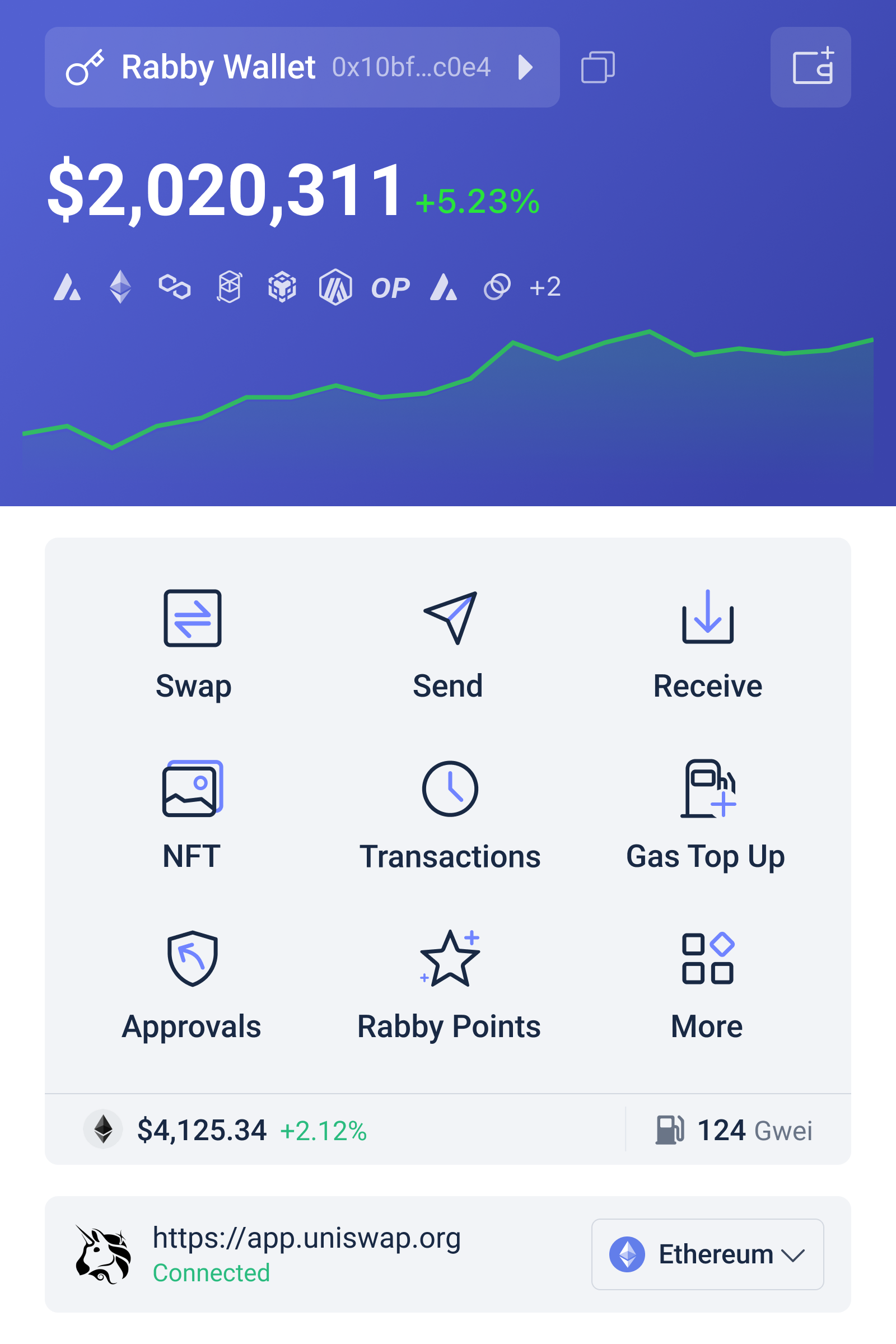
Functionally, a good multi‑chain wallet handles connectivity, token visibility, and simple interactions with DApps. Complex actions—like approving contracts or large swaps—get routed to the hardware signer. That layered approach reduces risk. It also means you can experiment on a new chain without exposing your seed to every random site you try. That’s a relief for anyone who likes to tinker, which is me.
One practical tip: keep small test balances on new chains. Really small. Send a tiny amount, try the swap, confirm, and then scale up. This protects you from chain‑specific quirks like token scan mismatches or bridging delays. Also, be patient with bridging. Bridges are improving but remain one of the hollow spots in the user journey. My advice? Double‑check destination chains and tx fees before you click confirm.
Let’s talk recovery. Wow! Recovery phrases are messy in practice. Store them offline. Use a steel backup if you’re serious. Don’t take a photo of the phrase and toss it into cloud storage. I’m not shouting — it’s just a pattern I’ve seen again and again. Somethin’ as small as a sticky note on your desk can be a risk if you sell the house down the road. Plan like you’re moving in six months.
Fees matter. Multi‑chain convenience sometimes comes with unfamiliar fee models. Ethereum L1 fees can spike, rollups have their own cadence, and chains like BSC or Avalanche are cheaper but less decentralized. On one hand I want speed and low cost. Though actually, that tradeoff depends on what you value for a given transaction. For small swaps I route differently than for protocol deposits. The hardware wallet gives me confidence to make that call.
Security hygiene is basic but overlooked. Use a trusted firmware source. Verify device authenticity when you buy. Avoid QR codes from unknown pages unless you know what you’re doing. My instinct said to trust vendor packaging, but I’ve learned to follow serial checks and community threads first. There’s a comfort in being a little paranoid—it’s saved me from a couple questionable firmware updates that turned out to be scams.
Interoperability is the other side of the coin. Multi‑chain wallets shine when they show your holdings across EVM and non‑EVM networks. The S1 covers many of those, but not everything. Expect gaps. You’ll sometimes need chain‑specific explorers or bridges. Keep a cheat sheet. It helps to know token contract addresses and to verify them on trusted explorers. Those checks feel tedious, yet they prevent dumb mistakes.
Practical workflow I use daily: keep a hardware wallet for significant holdings, use the software wallet for small, active balances, and maintain a cold backup. Wow! It reduces stress. It also lets me play in DeFi without constantly exposing my main stash. Initially I thought this split would be extra upkeep, but actually it streamlines activity. You make fewer mistakes when your main funds are out of reach of the click-happy part of your brain.
Common Questions
Is a hardware wallet necessary for casual DeFi users?
Not strictly. But if you hold meaningful value or plan to interact with multiple DApps and chains, hardware adds a safety layer that’s hard to replicate with software alone. I’m not 100% sure where the threshold is for „meaningful”—it depends on your risk tolerance.
How does a multi‑chain wallet avoid cross‑chain confusion?
Good multi‑chain interfaces tag chains clearly and ask for confirmations on destination networks. Despite that, user vigilance helps: check chain icons, verify addresses, and use small test transactions. Also, expect occasional UI inconsistency—it’s part of the current multi‑chain reality.
Any final safety tips for using the SafePal S1?
Verify firmware, buy from an official channel, keep backups offline, and practice with small amounts first. If a deal looks too good, it probably is. Oh, and document your recovery in more than one physical location if possible.
Zobacz nasz aktualny ranking pożyczek/chwilówek:
AKTUALNY RANKING
—
Serwis nie jest doradcą finansowym ani nie prowadzi działalności maklerskiej. Żadne dane ani informacje zamieszczone w serwisie nie stanowią porady finansowej, oferowania, rekomendacji ani nakłaniania odnoszących się do kupna, sprzedaży lub trzymania instrumentów i produktów finansowych. Niniejszy serwis ma charakter wyłącznie informacyjny. Udostępniane treści mają na celu dostarczenie ogólnych informacji i nie stanowią porad finansowych, inwestycyjnych ani prawnych.