When dApps Shake Your Wallet: Practical Strategies for Integration, Risk Assessment, and MEV Defense
Mid-transaction panic is a weird little adrenaline rush. Wow! You stare at a gas meter climbing and your gut flips. Seriously? You told yourself you checked the site, but somethin’ felt off about that approval prompt. I get it — I’ve sat there, coffee cooling, watching a pending tx, trying to decide if I should speed it up or let it die.
dApp integration feels solved on paper, though actually it’s messy in practice. Medium-sized teams ship connectors, but the edge cases multiply fast. My instinct said integrations were straightforward at first; then the audits, the mempool noise, and the occasional UX that leads users into approval hell made me rethink that naive view. On one hand the promise of composable finance is intoxicating; on the other, the permission grants and flash-loan risks are real and immediate.
Okay, so check this out—there are three vectors you need to consider simultaneously: integration ergonomics (how the wallet talks to the dApp), risk assessment (what’s allowed and what’s exposed), and MEV protection (how transactions are ordered or sniped). These overlap. They trip each other up. And that means you can’t treat them as separate engineering tickets.
Spis treści
Integration: beyond RPCs and signatures
Most teams start with the wallet API: connect, sign, send. Short. But that’s where many useful controls never get implemented. A medium-term improvement is transaction simulation. Before asking users to sign, simulate locally against a fork or use a dry-run to catch revert reasons and slippage. I’ve used simulation layers that replay the tx on a private fork and report state deltas—it’s a game changer for UX.
Here’s the rub: not all simulations are created equal. Some only check byte execution, others model state changes and gas estimation. Longer thought: if your simulation doesn’t reflect mempool frontrunning or MEV extraction, users will still be vulnerable even after a „successful” dry-run, because the network ordering and sandwich bots change outcomes in-flight.
So add a second layer: sanity checks. Wow! Implement rules that block approvals above a threshold, detect token approvals to unknown contracts, and flag multisend behavior. I’m biased, but encapsulating these checks in the wallet — rather than relying entirely on the dApp — prevents many accidental drains.
Practical tip: expose the simulation summary in the UI. Don’t bury it. Show expected slippage, gas bands, and any non-standard calls. I prefer one-line calls with an expand button for the nerds. Users appreciate it. It builds trust.
Risk assessment: a living, breathing map
Risk assessment isn’t a checklist you run once and close. Really. It’s dynamic. Initially I thought a manual review and a tidy table would suffice, but then mempool scanners found weird patterns and exploiters mutated their strategies. Actually, wait—let me rephrase that: assessments need continuous telemetry.
Start with static analysis of contracts. Medium effort, high ROI. Run automated slither-like tools and have humans validate alerts. Next, monitor runtime behavior. High-frequency event logs reveal flows that static analysis misses. Longer sentence: for instance, a contract can pass static analysis but still interact with a privileged operator that can mint tokens or pause transfers under certain conditions that only appear in specific runtime states.
Factor user-facing permissions into your threat model. Approvals with infinite allowance are very common. Short. They are also very dangerous. For DeFi power users this is a tradeoff—convenience vs catastrophe—and your wallet should make that tradeoff explicit. Allow granular approvals by default and make „infinite” an opt-in that comes with friction.
Also watch integration patterns. Many dApps multiplex calls via delegatecall or proxy patterns. Those are convenient for upgrades, though actually they can mask the true caller. Hmm… That subtlety has burned teams more than once.
MEV protection: practical defenses that matter
MEV is not academic anymore. Wow! It’s a real cost to users. From sandwich attacks to priority gas auctions, MEV extracts value at the moment of ordering. You can try to ignore it, but ignoring it costs dollars. Medium sentence: the first defense is prevention—reduce predictable patterns that bots can exploit, like consistent slippage windows or naive aggregated batch orders.
Next, use specialized relays or private transaction submission to bypass the public mempool when appropriate. Longer thought: sending a transaction directly to a block-builder or using a relay that offers fair-ordering reduces the surface for sandwich bots, though it shifts trust to those infrastructures and requires careful vetting and risk assessment of the relay itself.
One simple trick I like: breaking larger operations into atomic steps with final settlement only happening when conditions are met (commit-reveal-esque flows, or pre-signed conditional txs). Short. They add UX complexity, yes, though they materially lower MEV risk for large batches.
I’m not 100% sure, but hybrid approaches seem best: combine local simulation, private submission paths, and transparent user controls on gas strategy. My experience says that wallets that offer these options — and educate users — win on both security and retention.
Wallet-level features that change user outcomes
Here’s what bugs me about generic wallet integrations: too many assume the user is a robot. They don’t prompt, they don’t simulate, they don’t protect. A good wallet should intertwine UX and safety. Short. It should simulate transactions, show the effect on balances, and warn about sensitive approvals.
Case in point: I once saw a user about to approve a DeFi aggregator that had an embedded swap path routing through a newly deployed token contract. The simulation flagged the extra token, and that warning prevented a loss. Medium sentence: that kind of prevention isn’t flashy, but it saves money and builds trust over time, which is ultimately far more valuable than acquiring a user via a slick landing page.
Wallets that integrate with dApps should provide a standardized contract-permission UI, a simulation panel, and a choice of submission paths (public mempool vs private relay). Long: combining those features with a clear, readable summary of what the user is signing—no opaque hex dumps—addresses both novices and pro users without patronizing either group.
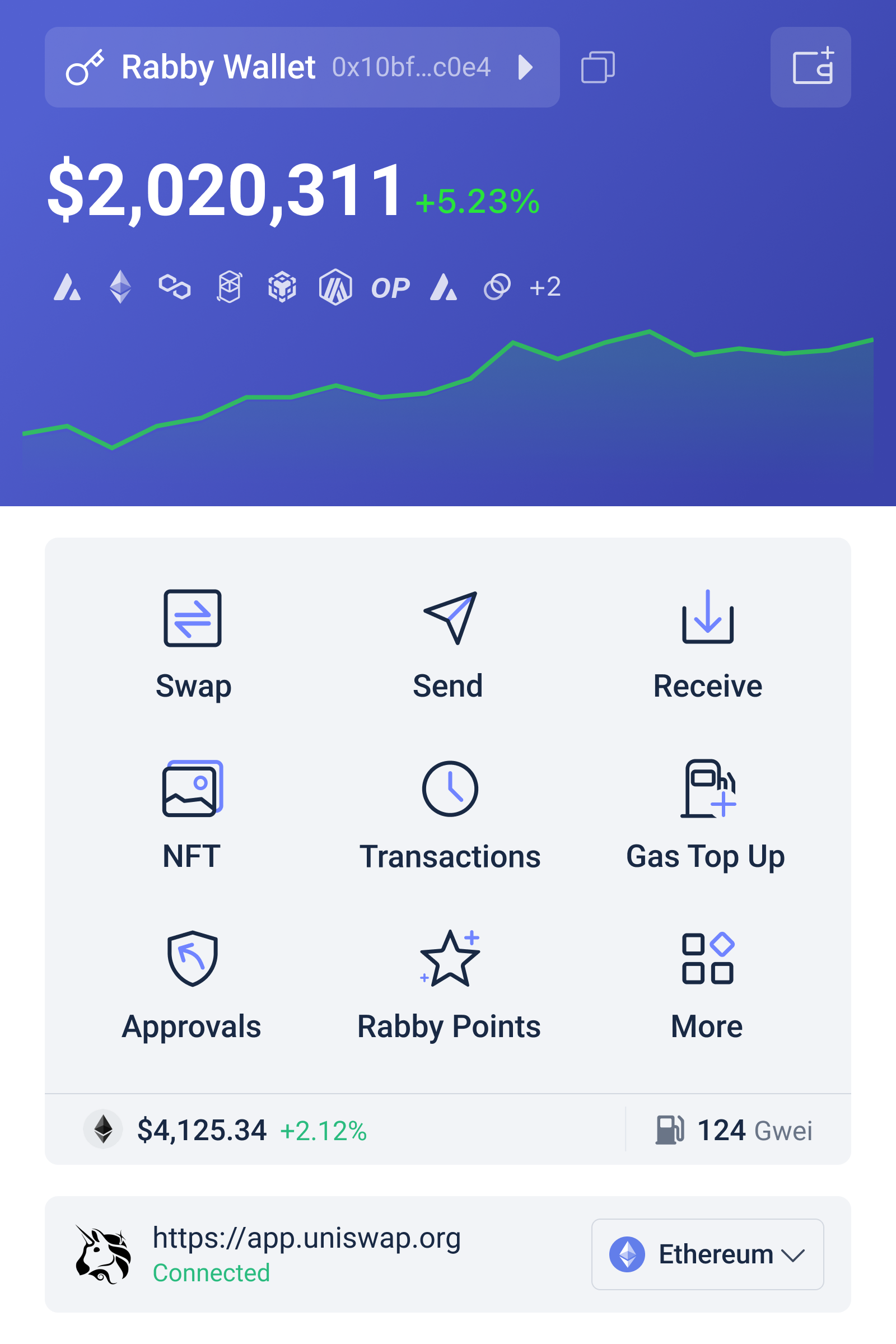
One practical recommendation: if you’re evaluating wallets, check whether they support transaction simulation and MEV countermeasures natively. If they don’t, you should ask why. For me, Rabby wallet made that choice clear early on; it exposes simulation and granular approval flows that reduce accidental exposure while keeping UX snappy. rabby wallet
Common questions from DeFi users
How reliable are transaction simulations?
Simulations are helpful but not infallible. Short. They catch many revert reasons and slippage issues, and they expose basic state changes. Longer: however, since mempool ordering and external bots can alter final execution, simulations should be paired with MEV-aware submission strategies and sanity checks to form a robust defense-in-depth approach.
Should I allow infinite token approvals?
Generally no. Medium sentence: infinite approvals are convenient but increase theft risk if a dApp or its dependencies are compromised. Give yourself the power to approve per-amount or to approve for short durations, and choose wallets that make granular approvals painless rather than burying them under advanced settings.
Are private relays safe?
They reduce public mempool exposure but transfer trust to the relay operator. Short. Vet relays, prefer open protocols, and pair relays with simulation and monitoring to detect anomalies.
Zobacz nasz aktualny ranking pożyczek/chwilówek:
AKTUALNY RANKING
—
Serwis nie jest doradcą finansowym ani nie prowadzi działalności maklerskiej. Żadne dane ani informacje zamieszczone w serwisie nie stanowią porady finansowej, oferowania, rekomendacji ani nakłaniania odnoszących się do kupna, sprzedaży lub trzymania instrumentów i produktów finansowych. Niniejszy serwis ma charakter wyłącznie informacyjny. Udostępniane treści mają na celu dostarczenie ogólnych informacji i nie stanowią porad finansowych, inwestycyjnych ani prawnych.